
Discover Design, Craft, and Innovation at MAK Vienna
This website offers official tickets for this venue. Please note, however, that it is not the official website of the venue.

Smartphone tickets

Priority Access Available

Instant confirmation

Flexible cancellation
Smartphone tickets
Why wait?
Instant confirmation
Flexible cancellation
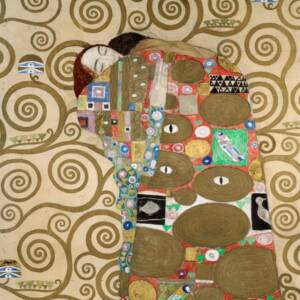
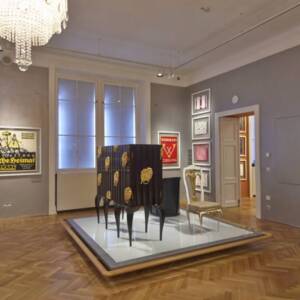
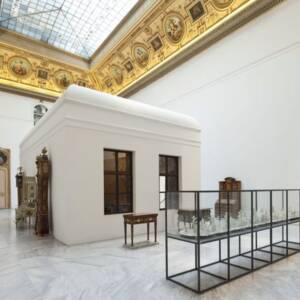
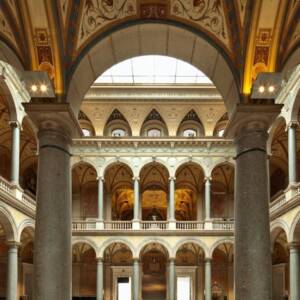
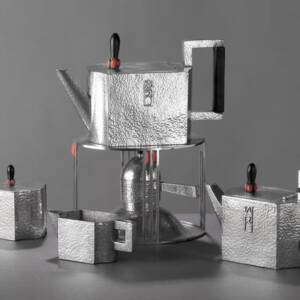
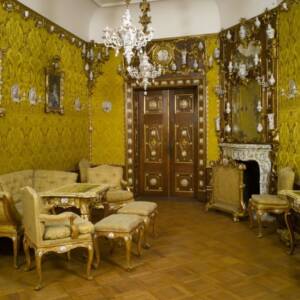
The MAK – Museum of Applied Arts Vienna
Highlights
Discover works in an iconic architectural setting on Vienna’s Ringstraße.
Explore extensive collections including furniture, ceramics, glass, textiles, and architecture linked to the Wiener Werkstätte.
Experience both permanent and temporary exhibitions highlighting modernism and contemporary art.
Utilize a free digital guide featuring audio explanations and high-quality images.
Visit a significant cultural landmark that opened in 1871, designed by Heinrich von Ferstel.
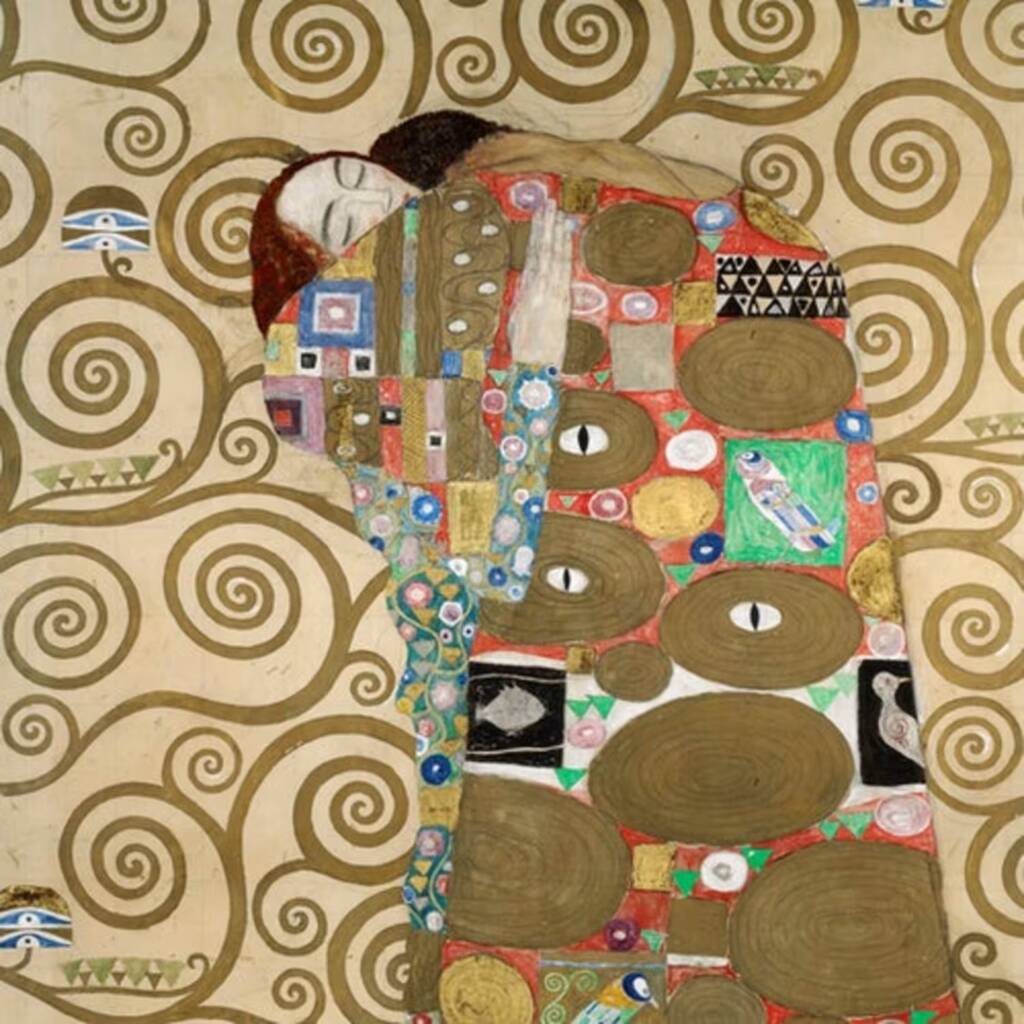
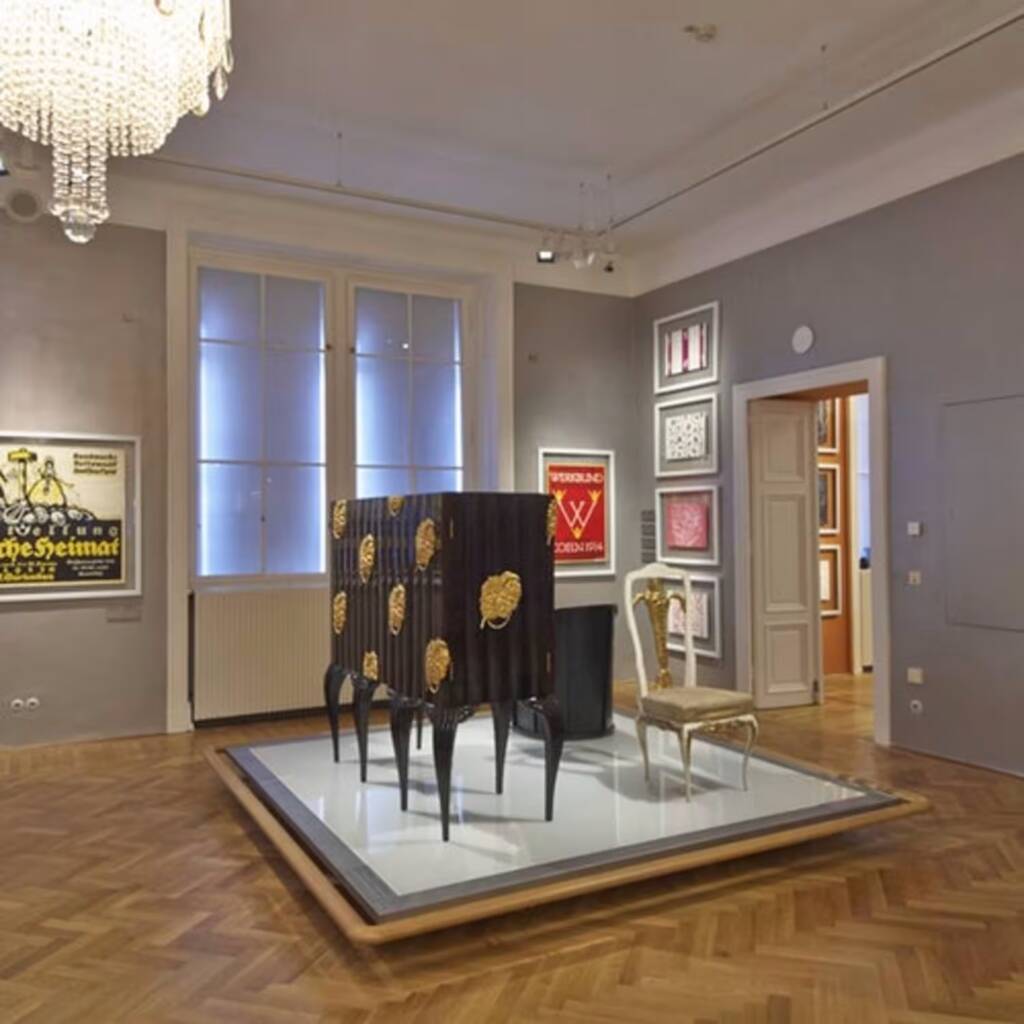
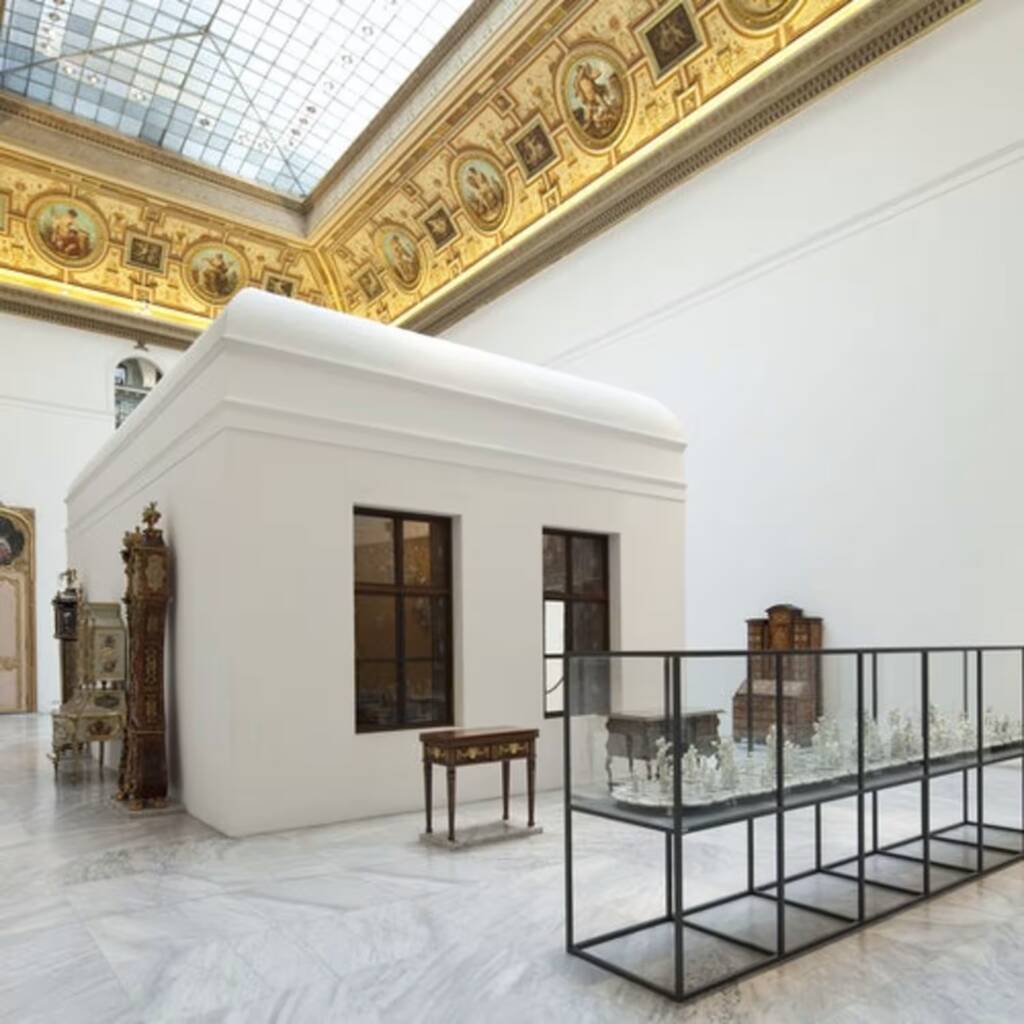
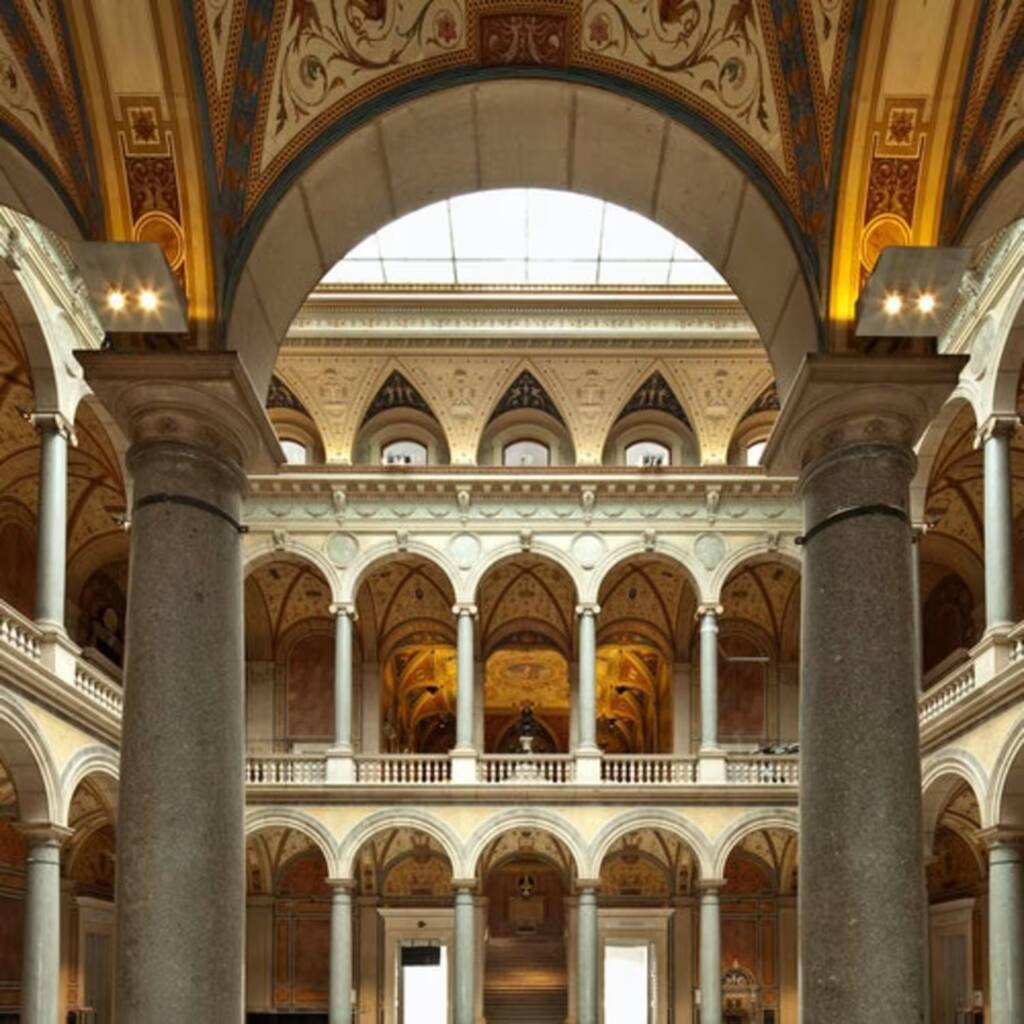
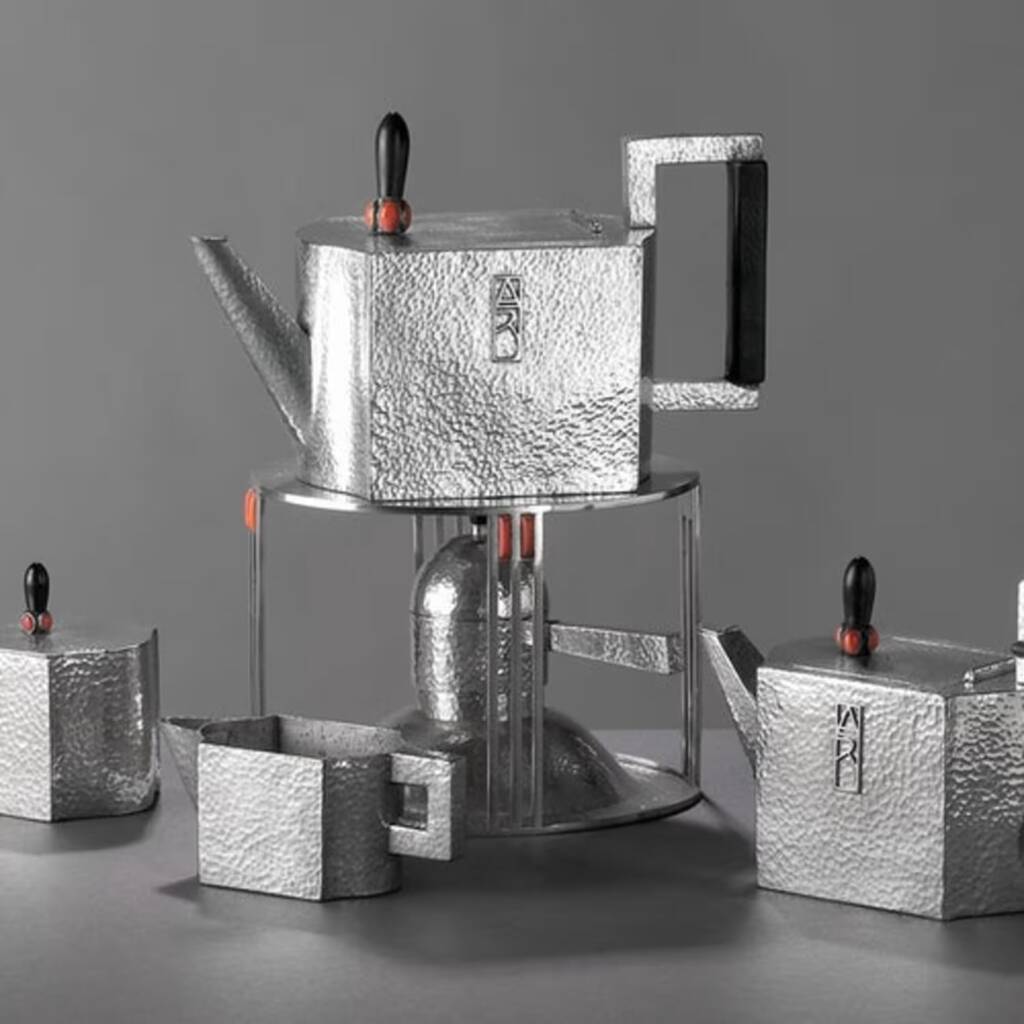
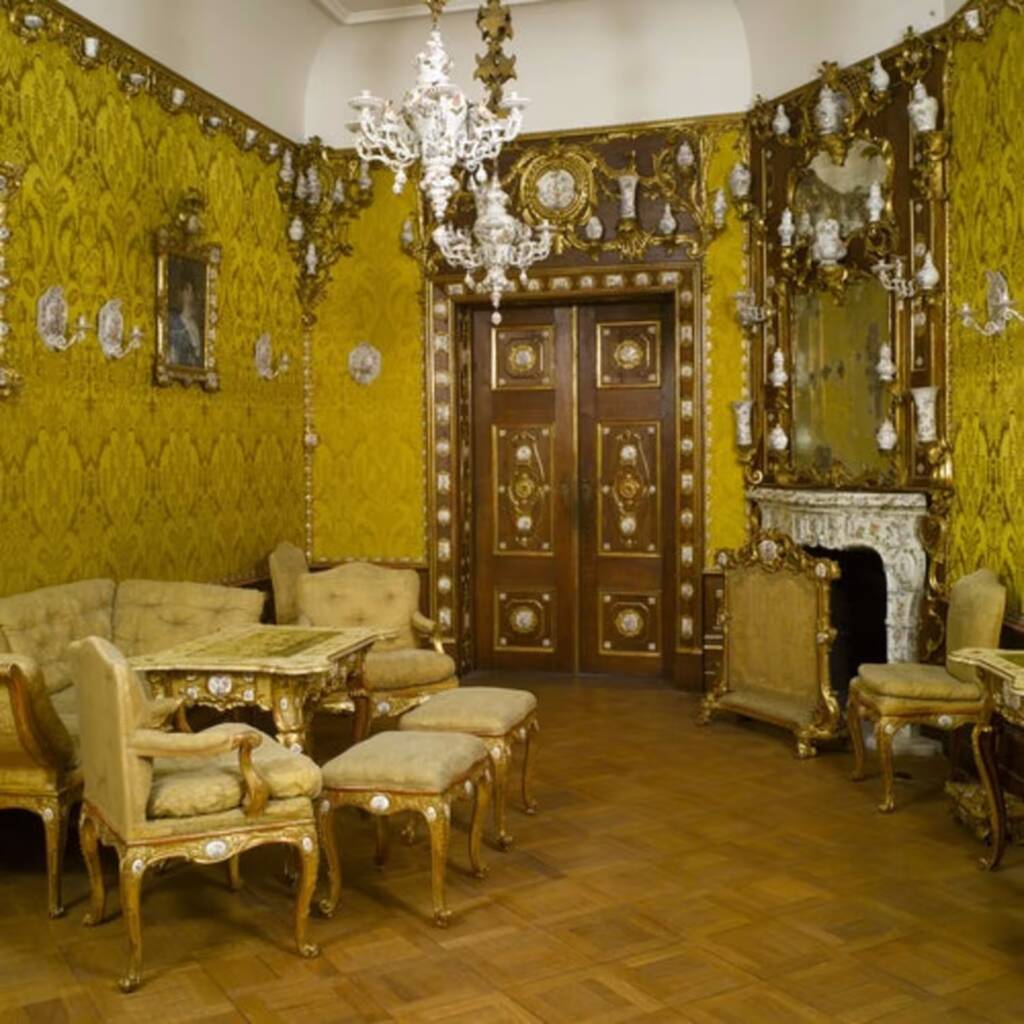
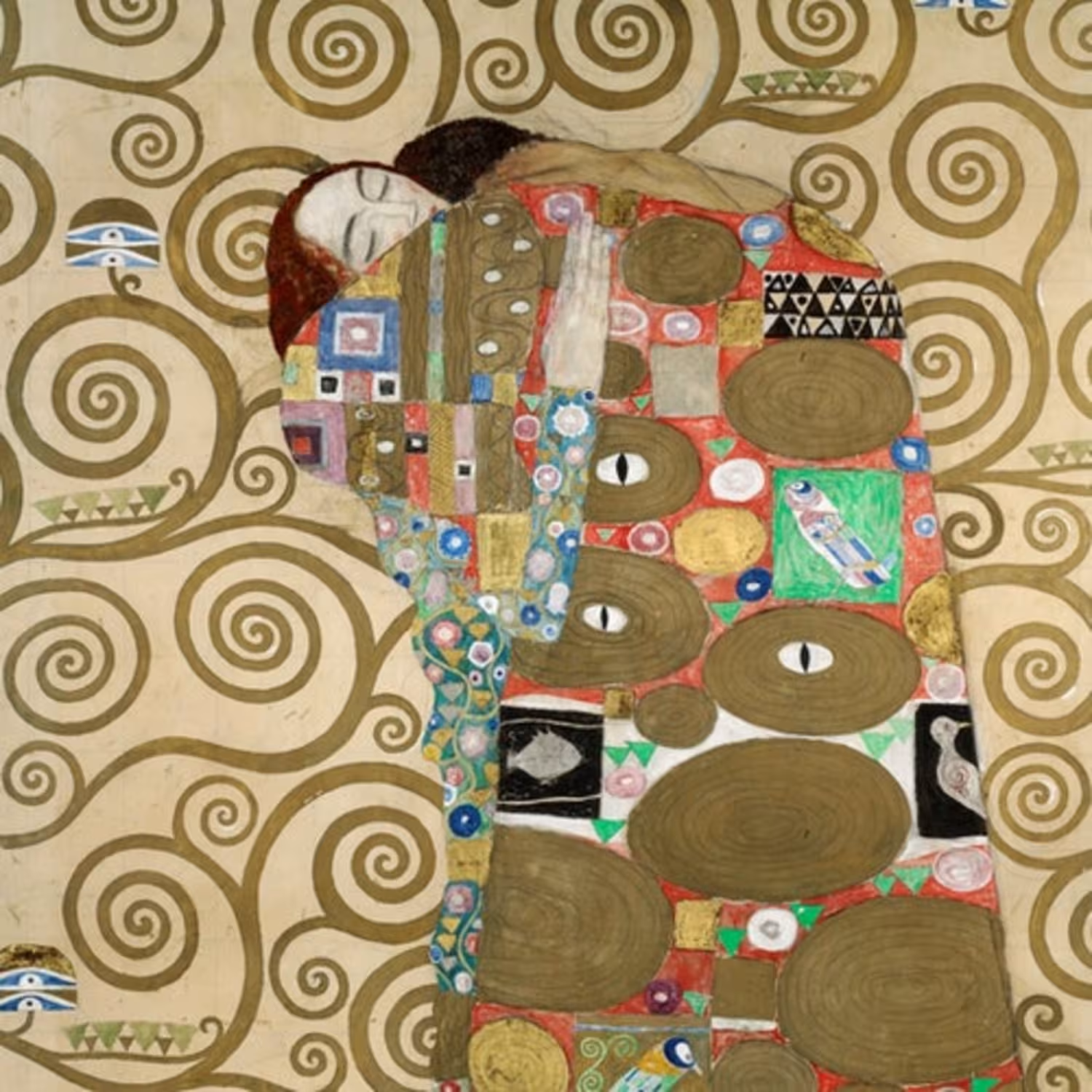
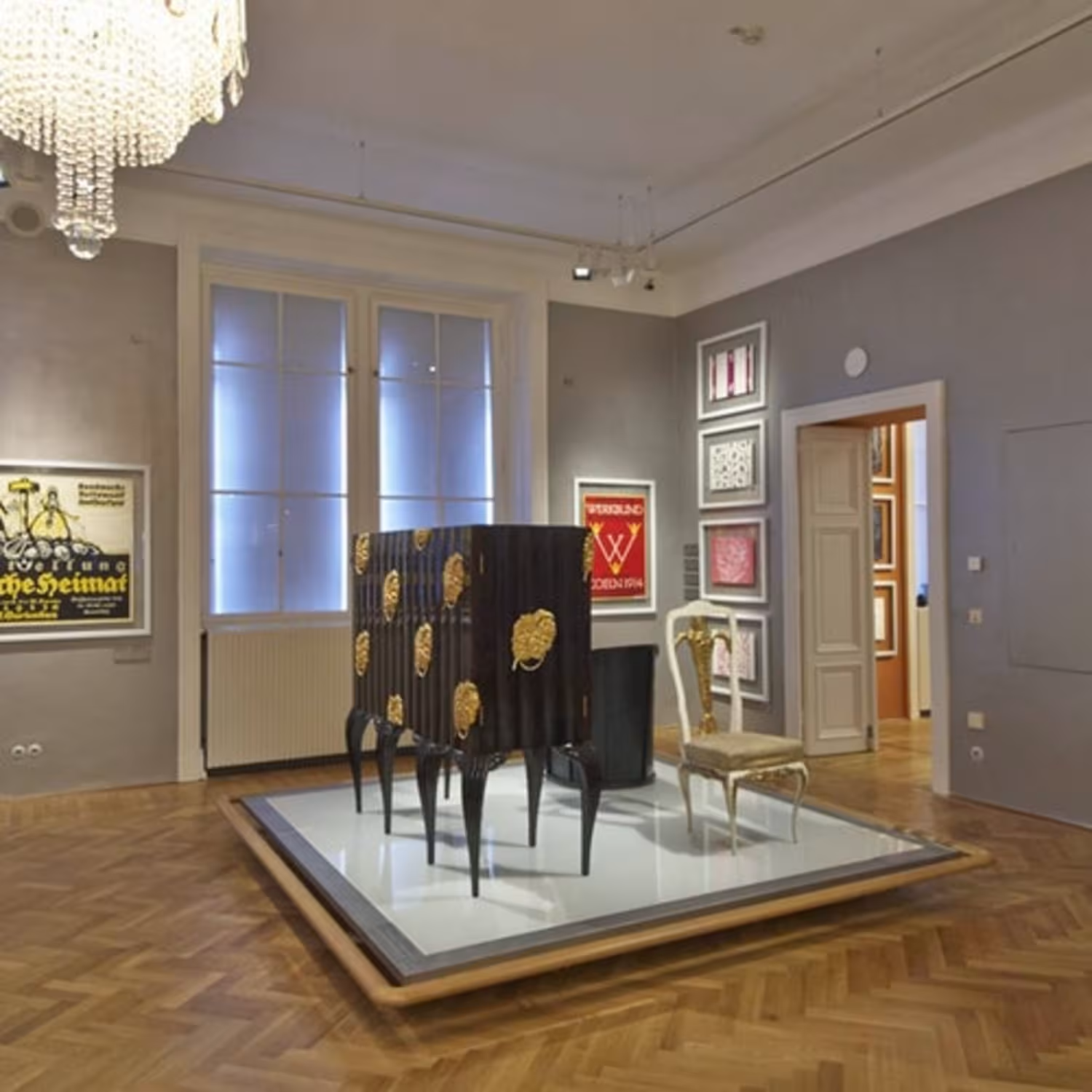
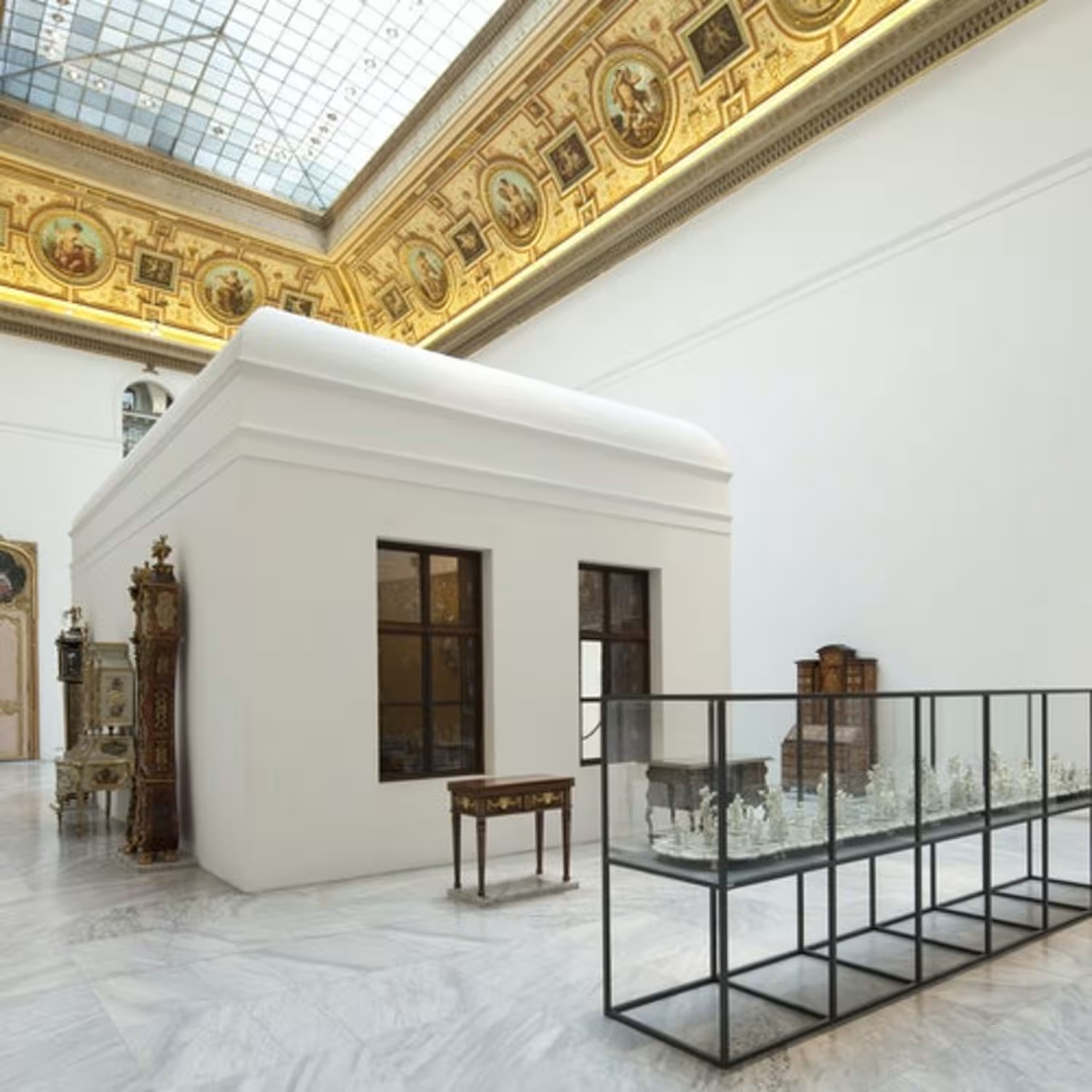
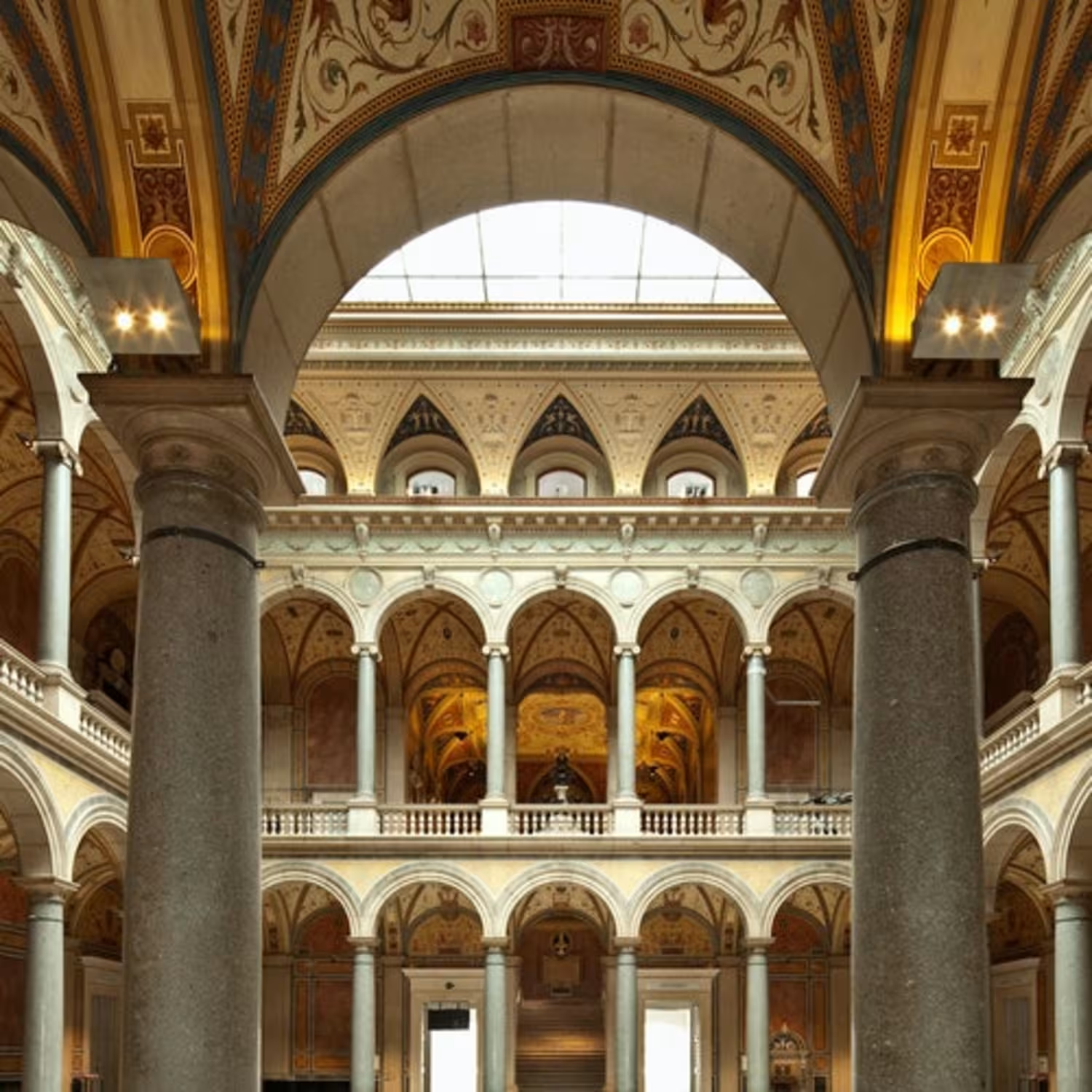
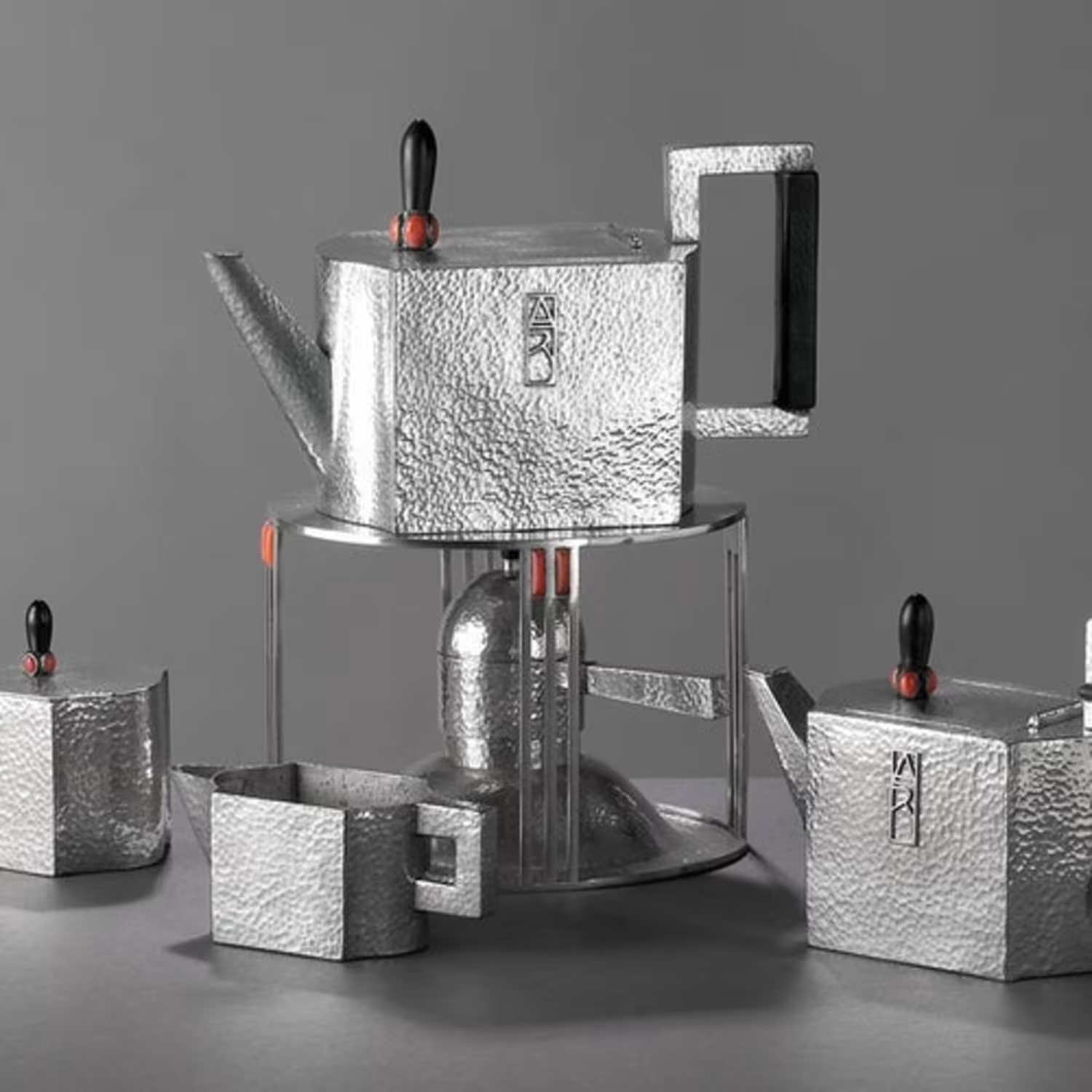
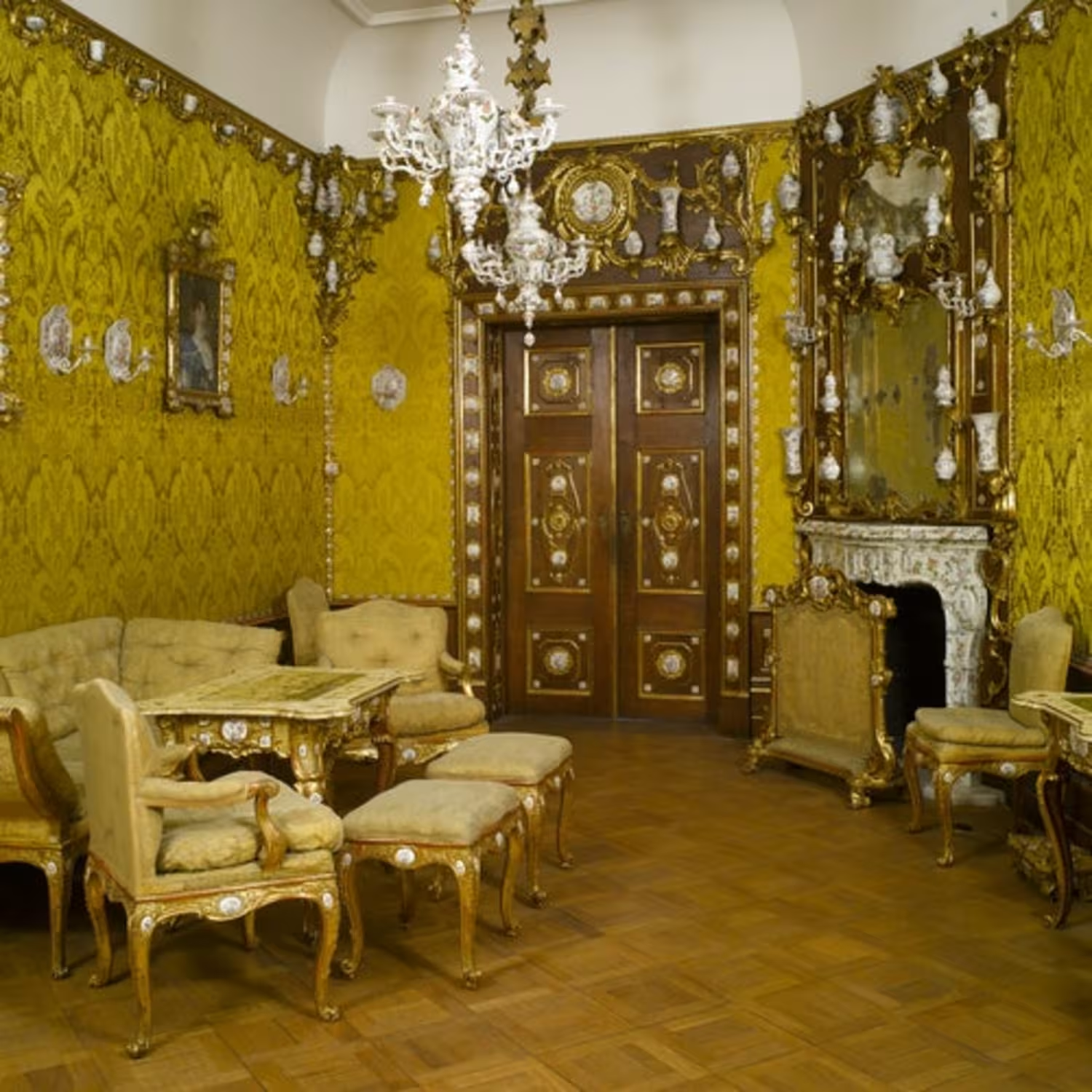
A Landmark for Design and Applied Arts in Vienna
MAK – Austrian Museum of Applied Arts is one of Vienna’s leading cultural institutions, dedicated to design, architecture, and contemporary creativity. Located along the Ringstraße, the museum brings together historic collections and forward-thinking exhibitions that explore how design shapes everyday life. From decorative arts and furniture to fashion, graphic design, and modern architecture, MAK offers a well-curated experience for visitors interested in both heritage and innovation. Book your tickets in advance and plan a visit that fits easily into your time in Vienna.
About MAK – Austrian Museum of Applied Arts
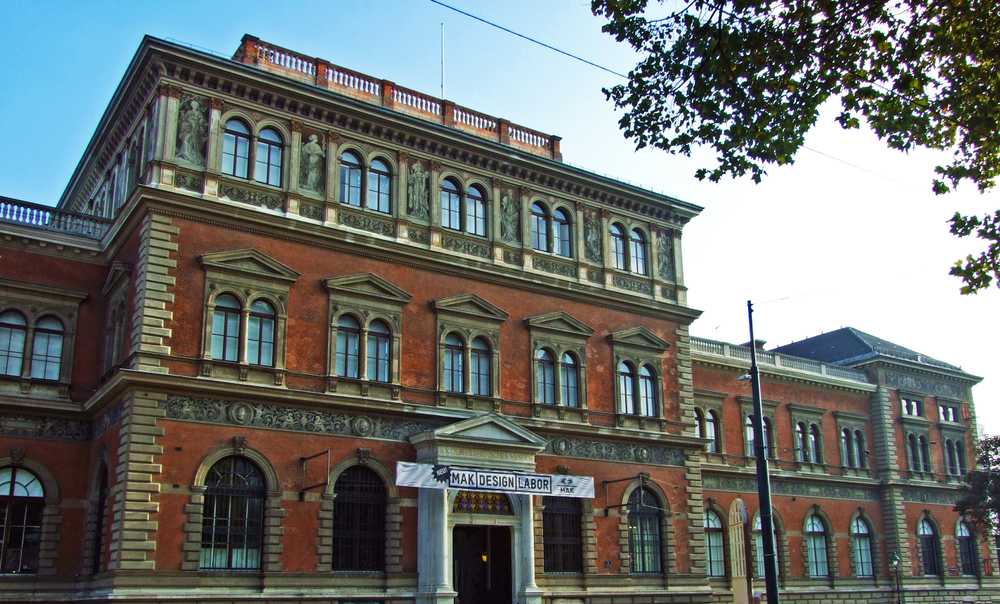
MAK – Austrian Museum of Applied Arts is a major cultural institution in Vienna dedicated to applied arts, design, and architecture. Founded in the 19th century, the museum was created to connect art, craft, and industry, a mission that continues to guide its exhibitions and collections today.
The museum’s holdings span centuries and styles, from historic decorative arts and furniture to modern design, textiles, glass, and metalwork. Alongside its permanent collections, MAK presents temporary exhibitions that examine contemporary design, social questions, and the role of creativity in everyday life. Architecture and urban studies also play an important role, reflecting the museum’s ongoing engagement with how design shapes the built environment.
Housed in a landmark building on Vienna’s Ringstraße, MAK combines a rich historical setting with a forward-looking program. Its thoughtful approach makes it an essential stop for visitors interested in design history, current creative practices, and the evolution of applied arts in Austria and beyond.
Why Visit MAK Vienna
A leading museum for design and applied arts: Explore collections and exhibitions that connect historic craftsmanship with modern design, architecture, and creative innovation.
A broad range of collections in one place: Discover decorative arts, furniture, textiles, fashion, graphic design, and architecture, spanning multiple centuries and styles.
Engaging temporary exhibitions: Experience rotating exhibitions that address contemporary themes, social questions, and the future of design.
A landmark location on the Ringstraße: Visit a striking 19th-century museum building in the heart of Vienna, easy to combine with other major sights.
Ideal for design lovers and curious visitors alike: The museum’s clear displays and varied themes appeal to both specialists and first-time visitors.
When to Visit MAK Vienna
Opening hours
Tuesday to Sunday: 10:00 AM – 6:00 PM
Tuesday evenings: Open until 9:00 PM
Closed: Mondays
Best Times
Quietest times: Weekday mornings, shortly after opening
Relaxed visits: Tuesday evenings with extended hours
Busiest periods: Weekends and early afternoons
How to Reach MAK Vienna
MAK – Austrian Museum of Applied Arts is located on Vienna’s Ringstraße, just a short walk from the historic city center.
Address:
Stubenring 5, 1010 Vienna, Austria
Plan Your Route
- By Underground (U-Bahn)
- By Tram
- By Bus
- On Foot
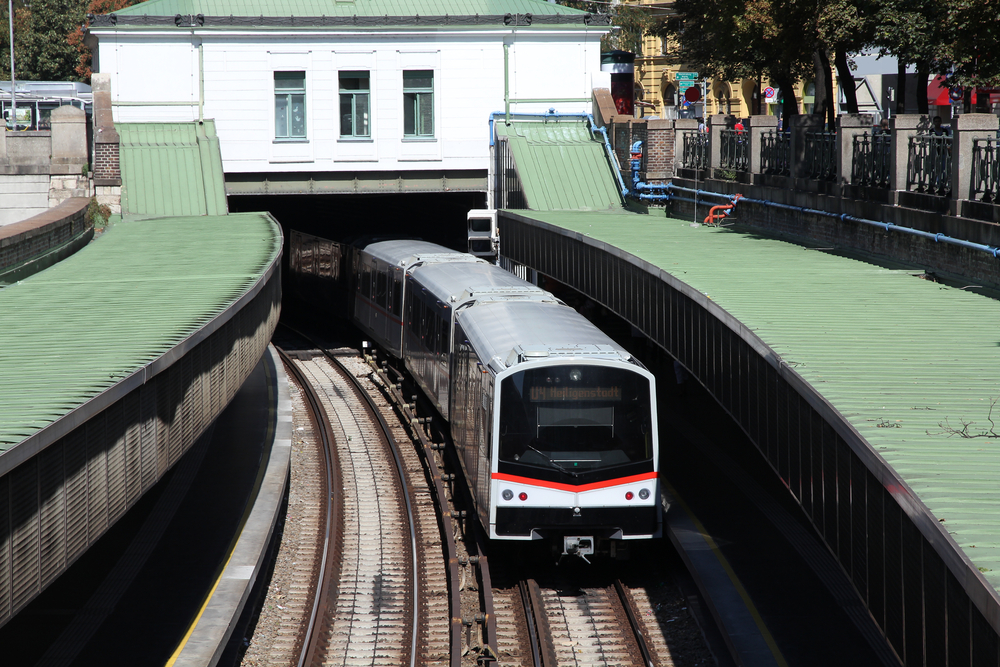
Take the U3 line to Stubentor. From the station, the museum is only a 2–3 minute walk, with clear signage leading toward the Ringstraße. This is one of the fastest options if you are coming from central districts or major transport hubs.
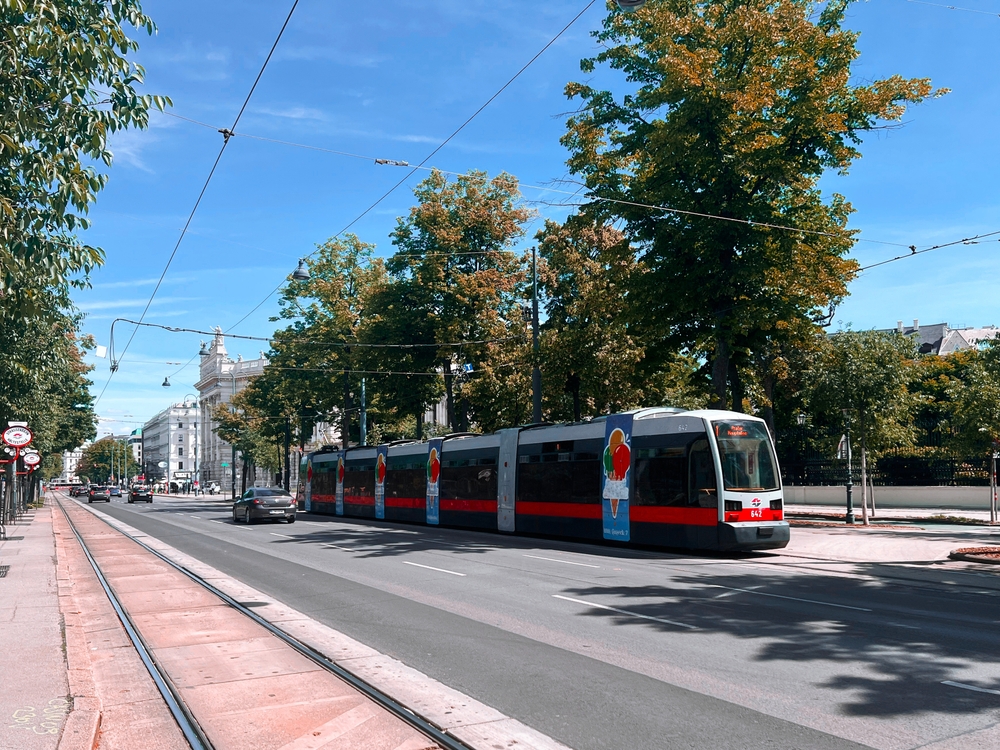
Tram lines 1 and 2 stop at Stubentor, directly opposite the museum. Trams are ideal if you are traveling along the Ringstraße or combining your visit with nearby attractions.
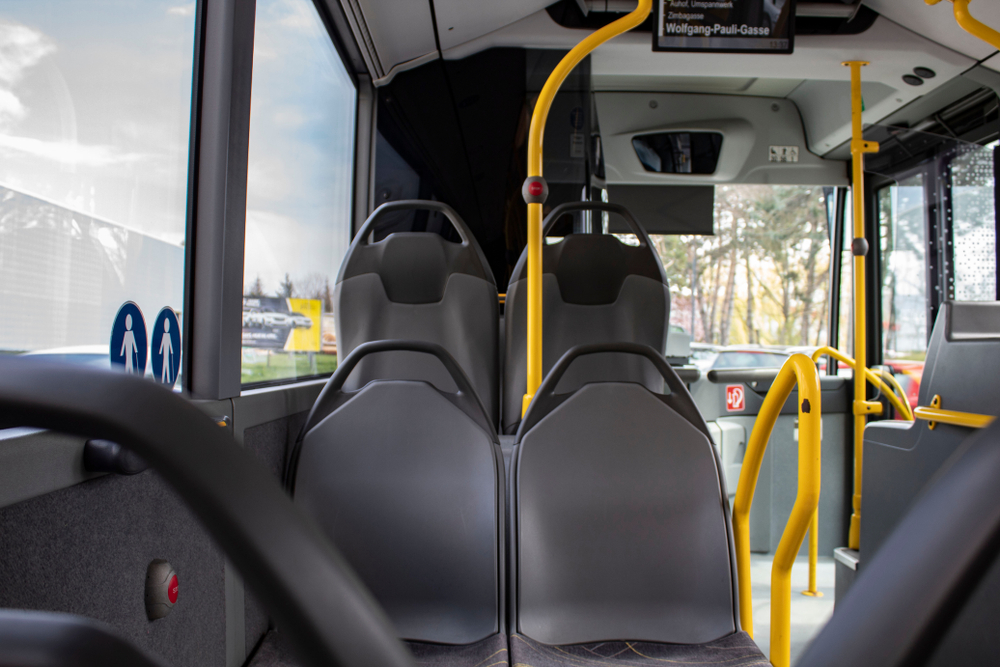
Several city bus routes run close to the museum along the Ringstraße, offering a convenient option if you are coming from areas not directly connected by metro or tram.
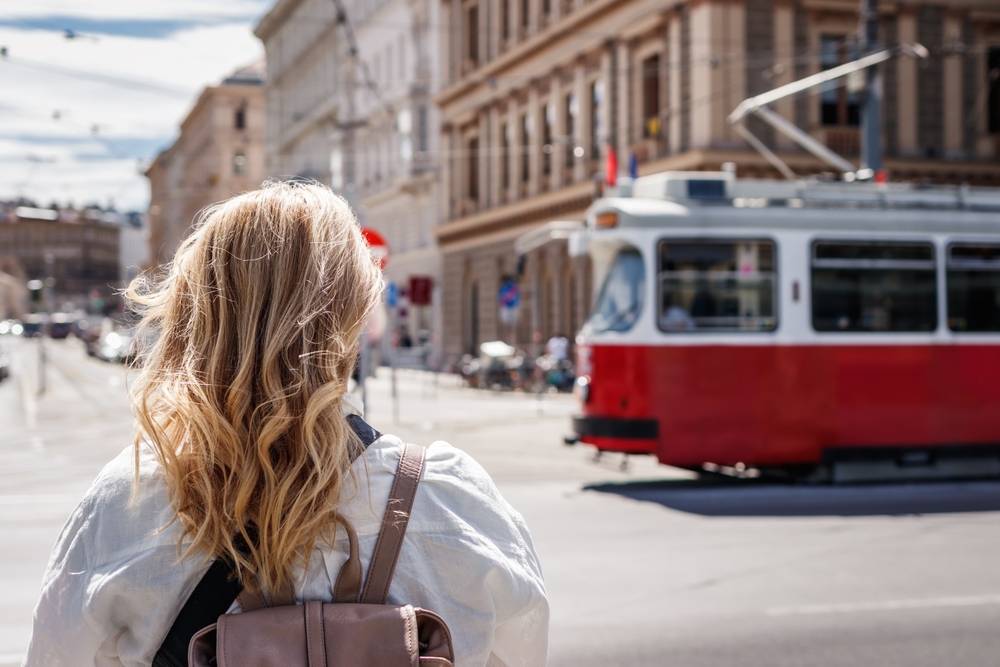
MAK is within walking distance of Stephansplatz and the historic city center. A walk along the Ringstraße also allows you to pass other major landmarks on the way.
Dining Options
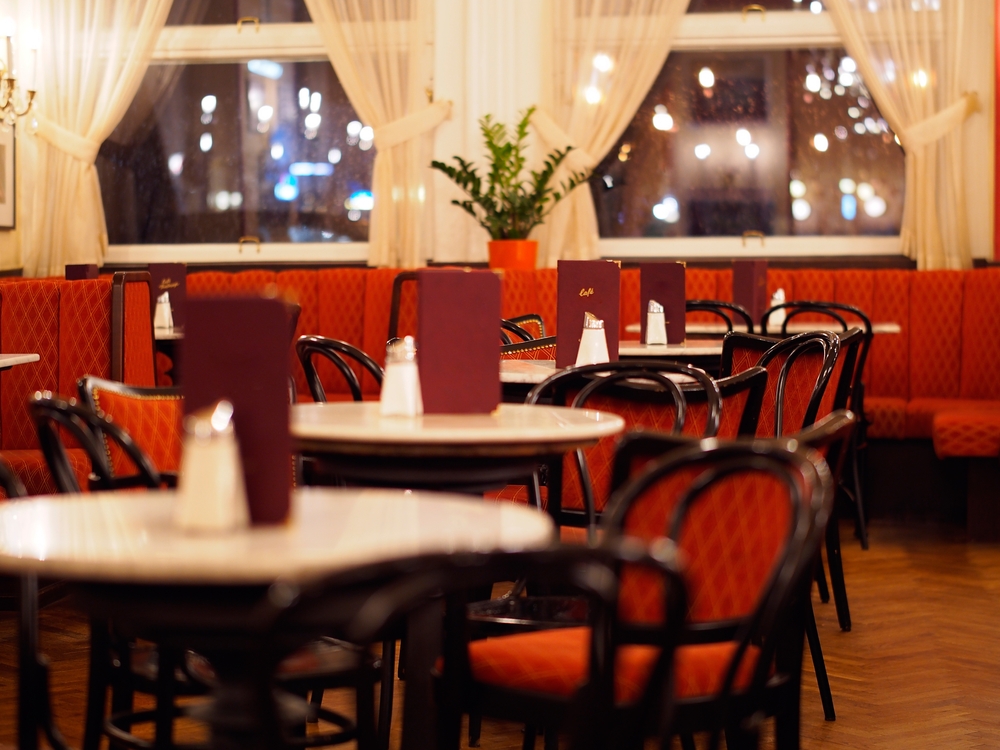
MAK Café & Bistro: Located inside the museum, this café serves a selection of light meals, desserts, coffee, and beverages—perfect for a mid-visit break or a relaxed end to your museum experience. The setting blends modern design with quality fare, making it ideal for visitors of all ages.
Nearby Options: The museum’s central Ringstraße location means you’re just steps from a wide range of restaurants, cafés, and casual eateries. Whether you’re looking for a quick bite before your visit or a full meal afterward, Vienna’s historic center has plenty to choose from.
Accessibility Facilities for All Visitors

Wheelchair Access: The museum is wheelchair-friendly, with step-free entrances and routes throughout the public exhibition spaces. Elevators are available to all floors where exhibitions are held.
Accessible Restrooms: Designed for visitors with reduced mobility, accessible washrooms are located within the public areas of the museum.
Support Services: Staff are available to assist visitors with mobility needs, and seating is provided throughout the galleries for rest breaks.
Practical Access: Priority access lanes are available at the ticket desk for visitors with disabilities, making entry smoother and quicker.
Know Before You Go
Book tickets in advance: Purchasing tickets online helps you plan your visit and avoid waiting at the entrance.
Allow enough time to explore: Most visitors spend 1.5 to 2 hours exploring the permanent collections and temporary exhibitions
Check exhibition schedules: Temporary exhibitions change regularly, so it’s worth reviewing what’s on display before your visit.
Bags and personal items: Larger bags may need to be stored in the cloakroom to keep gallery spaces comfortable for all visitors.
Photography guidelines: Photography is generally allowed for personal use, though restrictions may apply in certain exhibition areas.
Central location: The museum’s Ringstraße setting makes it easy to combine your visit with nearby attractions, cafés, and public transport connections.
 English
  Deutsch
  Français
  Español
  Italiano